

Pacific Gas & Electric Co. faces heightened regulatory and wildfire-liability fears, and its stocks have been trading down by -2.78 percent.
Key Takeaways
- UBS downgraded PCG to Neutral from Buy and cut its price target to $14 from $19, flagging rising wildfire liability risks and the company’s withdrawal of long-term EPS guidance.
- The broker’s lower $14 target on Pacific Gas & Electric Co. reflects reduced upside and weaker confidence in PCG’s near- to medium-term earnings path.
- PCG shares slid 6.5%, the worst utilities name on the day, after the UBS downgrade and target cut, showing how fast sentiment can flip.
- The stock also fell 3.4% on another session following the same downgrade, even while energy prices and the broader energy group were pushing higher.
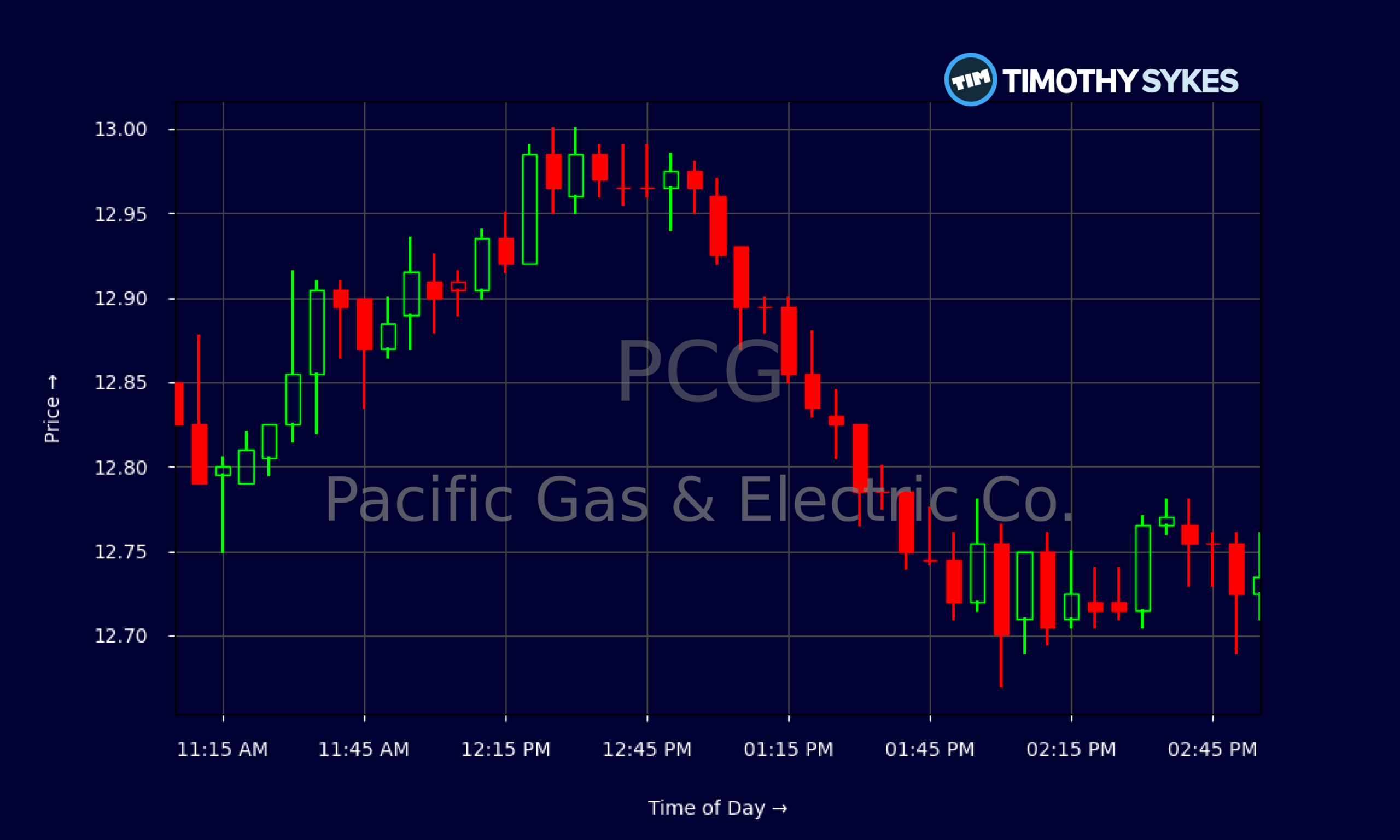
Live Update At 15:02:25 EDT: On Thursday, October 22, 2026 Pacific Gas & Electric Co. stock [NYSE: PCG] is trending down by -2.78%! Discover the key drivers behind this movement as well as our expert analysis in the detailed breakdown below.
Quick Financial Overview
PCG is trading in the low teens, with recent daily closes mostly between $12.17 and $13.33. Over the last few weeks, Pacific Gas & Electric Co. has chopped sideways, but with a slight downward tilt, closing at $12.79 most recently. For a big regulated utility, that’s not a crash, but it does show pressure building after the UBS call.
Intraday, PCG’s 5‑minute chart tells a different story. The stock held a tight band between roughly $12.70 and $12.98 for much of the session, signaling heavy liquidity and strong mean reversion. That kind of tape attracts day traders who scalp a few cents at a time, not swing traders looking for a big trend.
More Breaking News
Fundamentally, Pacific Gas & Electric Co. throws off serious scale. Quarterly revenue of about $5.90B and EBITDA of $2.53B back a profit margin near 12%. PCG’s P/E around 9.5 and price‑to‑book near 1.1 make the stock look cheap versus many peers. But leverage is high: total debt-to-equity of 2.0 and interest coverage of 1.9 remind traders that this is a balance‑sheet story as much as an earnings story. Any hit to confidence, like the UBS downgrade, lands harder when debt is stacked this high.
Why Traders Are Watching PCG After The UBS Downgrade
PCG moved from quiet utility to active trading ticker the moment UBS cut the rating from Buy to Neutral and chopped its price target to $14 from $19. That is a brutal reset in expectations for Pacific Gas & Electric Co., especially given the bank’s focus on wildfire liability reform. UBS is basically saying: don’t count on legal relief this year, and without it, long‑term earnings visibility is weaker.
The timing matters. PCG had already been dealing with headline risk for years, but traders were hanging their hopes on clearer rules and stable EPS growth. Instead, Pacific Gas & Electric Co. pulled its long‑term EPS guidance and launched a strategic review. For short‑term trading, that kind of uncertainty is gasoline on the fire. It invites rumor, speculation, and fast swings every time new information hits.
The market’s reaction confirms it. PCG dropped 6.5% on one session, standing out as the worst utilities performer. That’s not just “sector drift” — that’s targeted selling. On another day, shares fell 3.4% after the same downgrade while energy prices and the broader energy sector were firm to higher. When the group is green but PCG is red, traders know it is a stock‑specific problem.
For active traders, this sets up a classic battleground. One side sees Pacific Gas & Electric Co. as a low‑P/E, high‑margin utility with $24.94B in annual revenue and strong asset backing. The other side focuses on PCG’s heavy $61.77B long‑term debt load, weak interest coverage, and the regulatory overhang UBS highlighted. That tension often produces sharp relief rallies and equally sharp fades — perfect for disciplined momentum trading as long as risk is controlled.
Conclusion
For the PCG crowd, the message from UBS is simple: slow down your expectations. The cut from Buy to Neutral and the price‑target slash to $14 tell traders that a major Wall Street shop now sees less upside in Pacific Gas & Electric Co. The reason is not macro; it is PCG‑specific risk around wildfire liabilities, long‑term earnings power, and the company’s own decision to yank EPS guidance while it runs a strategic review.
That mix explains why PCG underperformed even a weak utilities tape and lagged a rising energy sector on another day. When a stock sells off while its peers hold up, the market is making a very clear call on relative risk. At the same time, the fundamentals are not falling apart. PCG is profitable, throwing off over $900M in quarterly operating cash flow, and trading around book value. Those numbers will keep value‑oriented traders circling every time the stock pushes toward the lower end of its range.
The real edge here is not guessing where Pacific Gas & Electric Co. will be a year from now. It is reading the levels and reacting faster than the crowd. As millionaire penny stock trader and teacher Tim Sykes says, “Cut losses quickly, let profits ride, and don’t overtrade.” As Tim Sykes likes to say, “The market doesn’t care about your opinion, only your discipline — cut losses quickly and wait for the best setups.” For PCG, that means treating each downgrade‑driven flush and each oversold bounce as a potential trading opportunity, not a long‑term promise. This article is for educational and research purposes only and is not investment advice.
This is stock news, not investment advice. Timothy Sykes News delivers real-time stock market news focused on key catalysts driving short-term price movements. Our content is tailored for active traders and investors seeking to capitalize on rapid price fluctuations, particularly in volatile sectors like penny stocks. Readers come to us for detailed coverage on earnings reports, mergers, FDA approvals, new contracts, and unusual trading volumes that can trigger significant short-term price action. Some users utilize our news to explain sudden stock movements, while others rely on it for diligent research into potential investment opportunities.
Dive deeper into the world of trading with Timothy Sykes, renowned for his expertise in penny stocks. Explore his top picks and discover the strategies that have propelled him to success with these articles:
- Penny Stocks Trading Guide
- Best Penny Stocks Under $1 to Buy Today
- Top 8 Penny Stocks to Watch on Robinhood
Once you’ve got some stocks on watch, elevate your trading game with StocksToTrade the ultimate platform for traders. With specialized tools for swing and day trading, StocksToTrade will guide you through the market’s twists and turns.
Dig into StocksToTrade’s watchlists here:




Leave a reply