

Hertz Global Holdings Inc stocks have been trading up by 5.31 percent following strong demand signals for its vehicle rental services.
Key Takeaways
- Oro Mobility, Hertz’s majority-owned platform, raised an $80M strategic round from a consortium led by Cohen Private Ventures, Certares Opportunities, and Knighthead Capital, with Hertz retaining majority economic ownership.
- The TestDrive+ three-day program is expanding to 300+ Hertz neighborhood locations, letting shoppers try the exact used car and credit fees toward purchase.
- HTZ slid about 3.7% on the TestDrive+ expansion day, showing trader skepticism despite positive headlines.
- Hertz Global Holdings has set its Q3 2026 earnings release and conference call date, giving traders a clear near-term catalyst.
- A new Form 3 filing shows fresh insider beneficial ownership in HTZ, adding a governance data point for the tape.
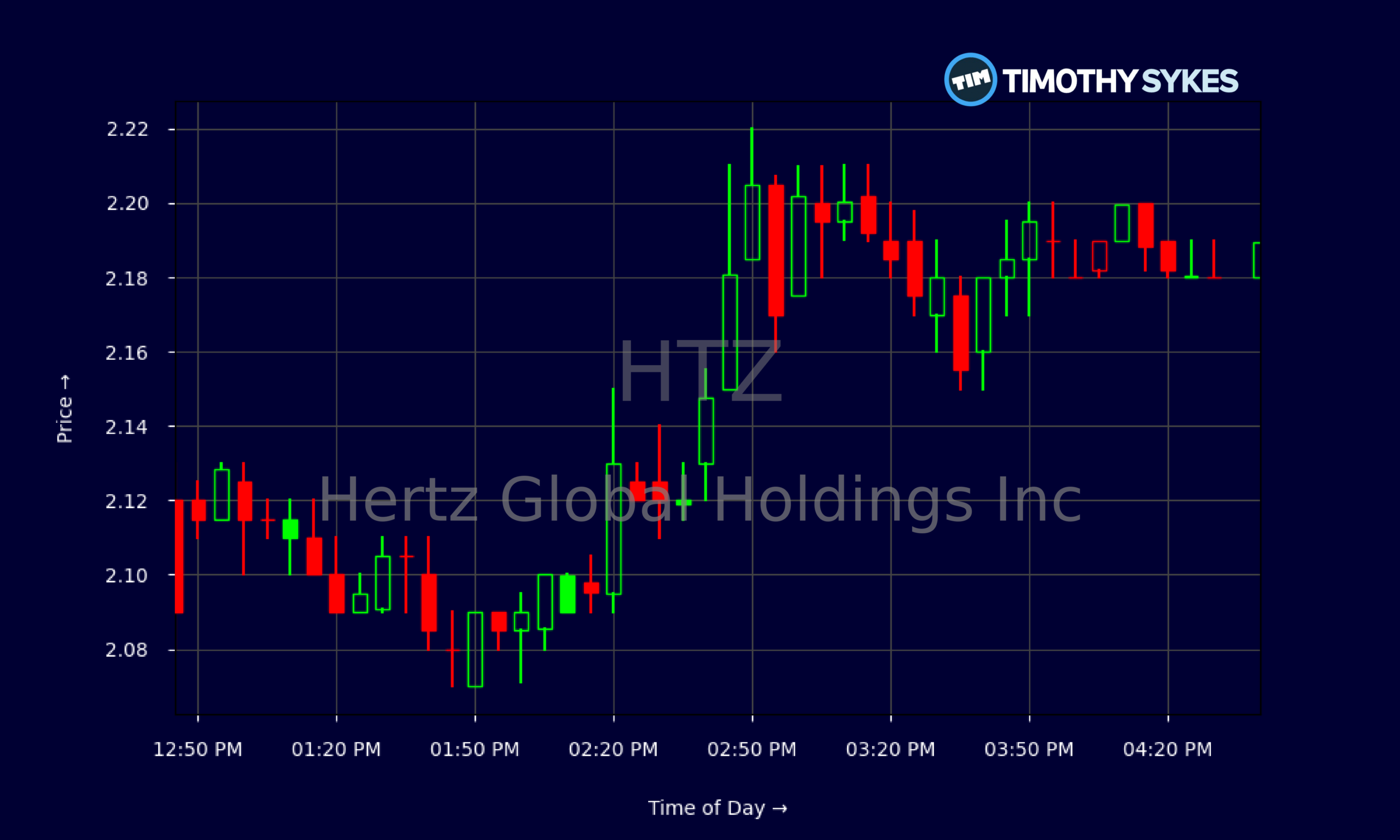
Live Update At 16:46:48 EDT: On Thursday, October 22, 2026 Hertz Global Holdings Inc stock [NASDAQ: HTZ] is trending up by 5.31%! Discover the key drivers behind this movement as well as our expert analysis in the detailed breakdown below.
Quick Financial Overview
Hertz Global Holdings Inc, ticker HTZ, is trading like a classic turnaround momentum candidate. Over the last few weeks, HTZ has climbed from about $1.67 into the $2.18 area, a roughly 30% move off late-September lows. The daily chart shows a steady series of higher lows from 2026/09/30 through 2026/10/22, with pullbacks getting bought around the $1.80 zone.
Intraday action on the latest session reinforces that strength. HTZ opened near $2.04, pushed as high as $2.45, then settled around $2.18 with tight trading between $2.15 and $2.20 into the close. That’s classic range consolidation after a morning spike, the type of pattern short-term traders watch for secondary moves.
More Breaking News
Fundamentally, HTZ is a mixed bag. Revenue runs near $8.5B annually, yet profit margin is still around -3.1%, and return on assets is negative. The company carries heavy long-term debt near $17.5B and shows negative book value. At the same time, cash flow from operations is positive, and price-to-sales sits at a low 0.08, telling traders the market is pricing HTZ like a distressed asset with optionality. That backdrop makes every new growth headline matter more to the chart.
Why Traders Are Watching HTZ Momentum
The real spark for HTZ right now is the Oro Mobility deal. Hertz Global Holdings announced that Oro Mobility, its majority-owned fleet and mobility platform, secured an $80M strategic equity round from a consortium led by Cohen Private Ventures, Certares Opportunities–affiliated funds, and Knighthead Capital–affiliated funds. For a highly leveraged company like Hertz, outside capital flowing into a core adjacent platform is a strong vote of confidence.
HTZ still keeps majority economic ownership in Oro and remains its primary fleet and services partner. That means Hertz does not have to fund all the growth but still participates in potential upside if Oro scales in driver-led and autonomous fleet management. Traders love this kind of structure: de-risked capital spend with a shot at tech-style multiple expansion down the line.
At the same time, HTZ is trying to squeeze more value out of its existing fleet via Hertz Car Sales. The TestDrive+ program, now rolling out to more than 300 neighborhood locations, lets shoppers take home the exact car they’re considering for three days and apply the daily fee to the purchase price. That ties the rental engine directly to used-car monetization and could help margins if executed well.
Yet the tape reminds traders to stay humble. On the day HTZ highlighted this TestDrive+ expansion, the stock was reportedly down about 3.7%. That disconnect says the market still worries about debt, residual values, and execution risk, even when the strategy looks smart on paper. Add in a new Form 3 insider ownership filing and an upcoming Q3 2026 earnings call, and HTZ becomes a catalyst-rich name where every headline can move the chart.
Conclusion
For active traders, HTZ sits at the crossroads of heavy balance-sheet risk and genuine growth optionality. The Oro Mobility $80M raise shows serious outside money is willing to back a Hertz-linked platform, while still letting Hertz Global Holdings capture a big share of future economics. The TestDrive+ rollout to 300+ locations shows HTZ management pushing hard to sharpen unit economics on every car that passes through the fleet.
But the negative reaction to the TestDrive+ news tells a clear story: the market wants proof in the numbers, not just clever branding. With Q3 2026 results on deck, traders will be watching HTZ revenue mix, fleet costs, and cash flow to see whether Oro and TestDrive+ are starting to show up in the financials.
In this kind of name, discipline matters. As Tim Sykes likes to say, “The market doesn’t care about your opinion, only your plan and your discipline.” That discipline extends beyond risk management to trade selection itself; as millionaire penny stock trader and teacher Tim Sykes, says, “Be patient, don’t force trades, and let the perfect setups come to you.” For HTZ, that means respecting the uptrend, tracking each catalyst, and being ready to cut losses fast if the story or the price action breaks down. This article is for educational and research purposes only, and traders should do their own due diligence before making any decisions.
This is stock news, not investment advice. Timothy Sykes News delivers real-time stock market news focused on key catalysts driving short-term price movements. Our content is tailored for active traders and investors seeking to capitalize on rapid price fluctuations, particularly in volatile sectors like penny stocks. Readers come to us for detailed coverage on earnings reports, mergers, FDA approvals, new contracts, and unusual trading volumes that can trigger significant short-term price action. Some users utilize our news to explain sudden stock movements, while others rely on it for diligent research into potential investment opportunities.
Dive deeper into the world of trading with Timothy Sykes, renowned for his expertise in penny stocks. Explore his top picks and discover the strategies that have propelled him to success with these articles:
- Penny Stocks Trading Guide
- Best Penny Stocks Under $1 to Buy Today
- Top 8 Penny Stocks to Watch on Robinhood
Once you’ve got some stocks on watch, elevate your trading game with StocksToTrade the ultimate platform for traders. With specialized tools for swing and day trading, StocksToTrade will guide you through the market’s twists and turns.
Dig into StocksToTrade’s watchlists here:





Leave a reply