
SK hynix Inc. stocks have been trading down by -2.99 percent amid reports of weakening memory chip demand and pricing pressures.
Key Takeaways
- Micron Technology and SK Hynix shares fell 4.8% and 6.3% after China’s CXMT claimed a DRAM breakthrough and new 4F2 data center chip for launch by year‑end.
- Premarket trading shows SKHY down more than 6% as traders reassess SK hynix Inc.’s competitive edge in high‑end DRAM.
- Ongoing CXMT headlines kept pressure on SKHY, with additional 3.7%–4% slides in sympathy with Micron as DRAM rivalry fears spread across the sector.
- SKHY also dropped 2.3% after reports that ASML will lift EUV/DUV spare‑parts prices by about 10% from 2027, raising long‑term equipment costs.
- SK hynix has reportedly accepted a 10% price hike on ASML consumables and key components, signaling structural margin pressure from higher operating costs.
Live Update At 09:18:42 EDT: On Friday, October 16, 2026 SK hynix Inc. stock [NASDAQ: SKHY] is trending down by -2.99%! Discover the key drivers behind this movement as well as our expert analysis in the detailed breakdown below.
Quick Financial Overview
SKHY has been on a sharp downswing. In late September, SK hynix Inc. was closing around the mid‑$180s to mid‑$190s. By 2026/10/15, the stock finished near $146.11, a heavy drawdown that tells traders capital is rotating out of the name, at least for now.
The recent daily tape shows the slide picking up speed. After trading above $190 earlier in the month, SKHY stair‑stepped lower: $182.56, then $178.25, and eventually into the low $160s before cracking into the $150s and finally mid‑$140s. That pattern signals sustained selling rather than a quick, one‑day panic.
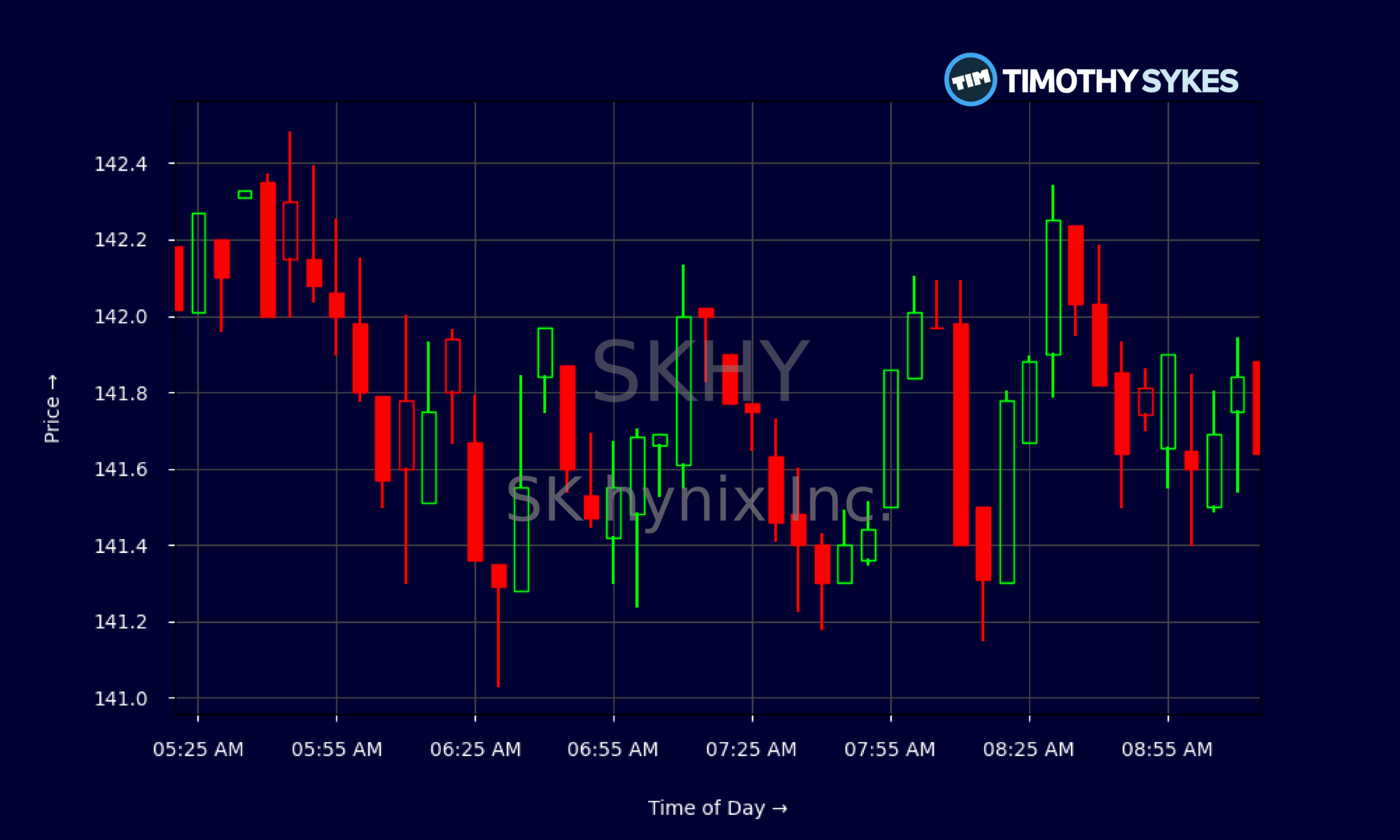
Intraday, the 5‑minute chart around the $141–$143 band shows tight, choppy action. SKHY is trading in narrow ranges, suggesting short‑term equilibrium after heavy downside. That often happens when day traders and shorts lock in gains while longer‑term holders hesitate to step in aggressively.
More Breaking News
Fundamentals, on paper, still look powerful. SK hynix Inc. shows a very low P/E around 3.76 and a strong return on invested capital near 73.54, plus sizable cash and short‑term investments. But the market is clearly saying future earnings quality is in question, so traders are discounting those metrics.
Why Traders Are Watching SKHY Now
SKHY is in the middle of a real‑time sentiment reset. The catalyst is China’s CXMT claiming a breakthrough in DRAM technology and unveiling a new 4F2 data center chip design expected by year‑end. That one narrative hit Micron and SK hynix Inc. together, knocking Micron by 4.8% and SKHY by 6.3%. When two major memory names slide that hard, traders listen.
The worry is simple: DRAM is a commoditized, cyclical business. Any hint that a new rival like CXMT can close the technology gap spooks the market. If CXMT’s claimed node or design advantage proves real, SK hynix Inc. may have to fight harder on price or rush capex to defend share. For SKHY, that means traders are suddenly modeling tighter margins and rougher pricing cycles.
What makes this more serious is the follow‑through. SK Hynix shares were reported down over 6% premarket on 2026/10/13, then dropped another 4% in sympathy with Micron as CXMT headlines kept rolling. Later that same day, SK Hynix stock slid 3.7% again, still linked to the same story. That kind of repeated reaction shows the market is not brushing this off as noise. SKHY is being traded as part of a “DRAM risk basket.”
On top of competition, you have cost inflation. ASML plans to raise EUV/DUV replacement‑parts prices by about 10% for systems in South Korea starting 2027. SK hynix Inc., a heavy ASML customer, has already reportedly accepted a 10% hike on spare parts and consumables. For SKHY, this points to structurally higher equipment operating costs just as traders are worrying about pricing pressure. That double squeeze narrative is exactly what short‑term traders latch onto.
Conclusion
For active traders, SKHY right now is a case study in how fast sentiment can flip when competition and cost pressures collide. SK hynix Inc. still posts huge revenue and runs a capital‑intensive but profitable business on paper. Yet the tape does not care about old numbers. It cares about CXMT’s claimed DRAM breakthrough and the 4F2 data center chip story, plus ASML’s 10% spare‑parts price hike looming over future margins.
The recent price path shows that clearly. SKHY has broken down from the $190s to the mid‑$140s in a few weeks, with multiple legs tied directly to CXMT headlines and follow‑through sympathy moves with Micron. When you see repeated 3%–6% down days clustered around the same catalyst, that is real fear being repriced across the DRAM space.
Traders studying SKHY should focus on two things: how price behaves around this new lower range, and whether news confirms or disputes CXMT’s claimed progress. A clean base with shrinking volume might set up tradable bounces; fresh negative headlines can trigger more flushes. This is where trading discipline and mindset really come into play. As millionaire penny stock trader and teacher Tim Sykes, says, “You must adapt to the market; the market will not adapt to you.” In volatile names like SKHY, that means constantly reassessing risk, setups, and catalysts instead of stubbornly clinging to old theses.
As Tim Sykes likes to remind traders, “The market doesn’t care about your opinion, only about price action and risk.” SKHY’s recent slide is a live reminder to respect the trend, manage risk tightly, and let the chart tell you when the crowd is really done selling.
This is stock news, not investment advice. Timothy Sykes News delivers real-time stock market news focused on key catalysts driving short-term price movements. Our content is tailored for active traders and investors seeking to capitalize on rapid price fluctuations, particularly in volatile sectors like penny stocks. Readers come to us for detailed coverage on earnings reports, mergers, FDA approvals, new contracts, and unusual trading volumes that can trigger significant short-term price action. Some users utilize our news to explain sudden stock movements, while others rely on it for diligent research into potential investment opportunities.
Dive deeper into the world of trading with Timothy Sykes, renowned for his expertise in penny stocks. Explore his top picks and discover the strategies that have propelled him to success with these articles:
- Penny Stocks Trading Guide
- Best Penny Stocks Under $1 to Buy Today
- Top 8 Penny Stocks to Watch on Robinhood
Once you’ve got some stocks on watch, elevate your trading game with StocksToTrade the ultimate platform for traders. With specialized tools for swing and day trading, StocksToTrade will guide you through the market’s twists and turns.
Dig into StocksToTrade’s watchlists here:




Leave a reply