

CoreWeave Inc. faces heightened volatility as regulatory scrutiny on its AI data centers intensifies, and stocks have been trading down by -5.11 percent.
Key Takeaways Traders Must Watch
- Shares and bonds dropped as much as 15% even after management said in a memo that selling pressure was irrational and backed by a strong deal backlog.
- The stock fell 16% on Wednesday and another 3.5% premarket as traders focused on AI‑driven overspending, while CoreWeave’s 9.625% 2032 unsecured notes saw yields jump above 15%.
- Credit default swaps on CoreWeave’s debt ripped to an intraday record, with five‑year protection at 1,194.5 bps, implying more than a 60% probability of default.
- The CEO publicly called the plunge in CoreWeave’s stock and bond prices irrational, even as those 2032 notes trade at distressed yields pointing to rising credit risk.
- Multiple CDS readings now price in over a 60% default probability within five years, flagging fast‑rising concerns about CoreWeave’s solvency and refinancing options.
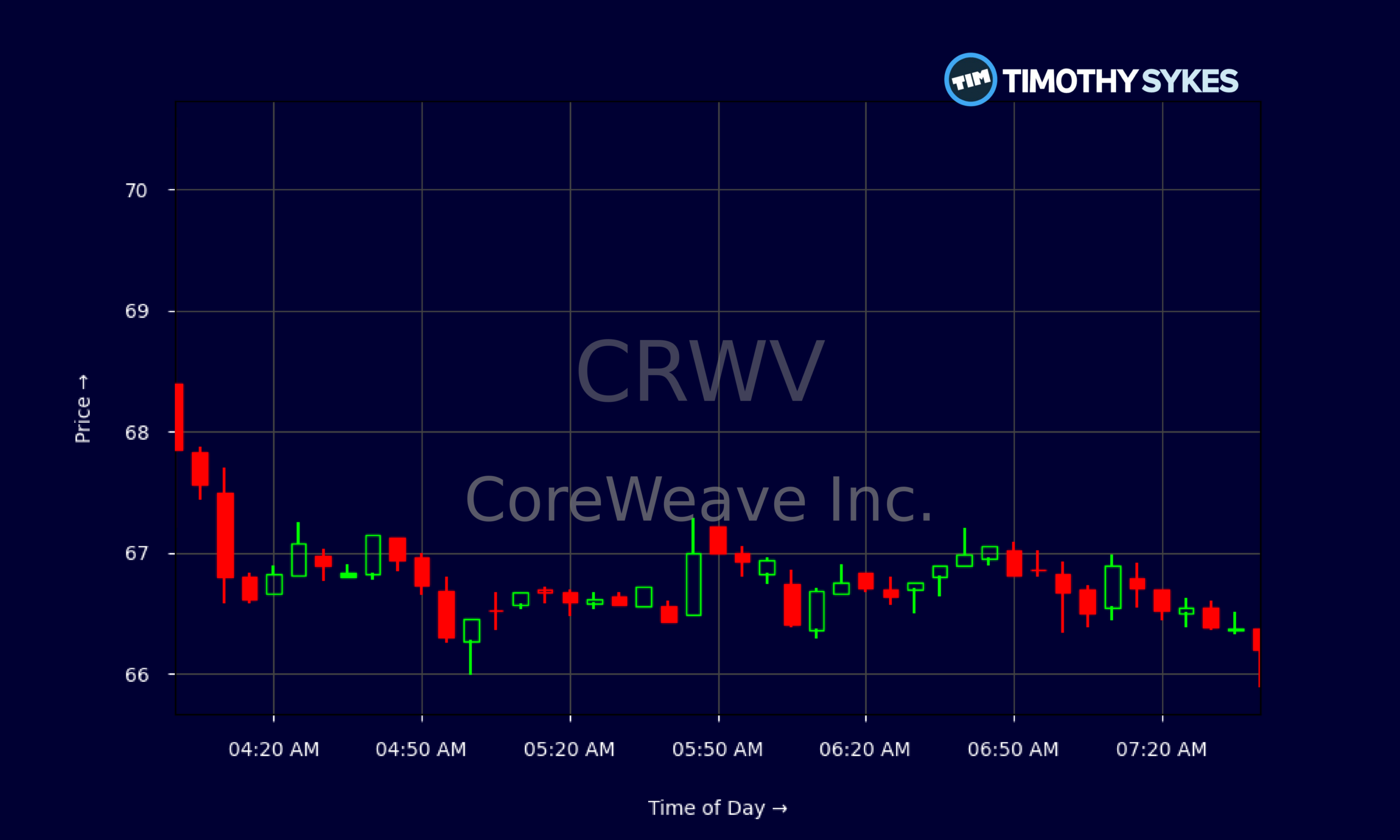
Live Update At 07:47:30 EDT: On Friday, October 16, 2026 CoreWeave Inc. stock [NASDAQ: CRWV] is trending down by -5.11%! Discover the key drivers behind this movement as well as our expert analysis in the detailed breakdown below.
Quick Financial Overview
CRWV has gone from market darling to stress case in a hurry, and the numbers explain why traders are hitting the brakes. CoreWeave Inc. posted quarterly revenue of about $2.575B and a huge gross margin near 90.6%, which sounds great at first glance. But CRWV still printed a net loss of roughly $626M and an operating loss, meaning profits are not following that revenue surge.
Cash flow shows the real pressure. CoreWeave burned about $5.74B in free cash flow, driven by heavy capital spending of roughly $6.42B and aggressive expansion. To fund that, CRWV leaned hard on debt: long‑term debt sits around $27.56B, total liabilities about $72.05B, with leverage ratios deep in red‑flag territory and interest coverage only 2.4 times.
More Breaking News
On the balance sheet, CRWV’s current ratio of 0.5 and quick ratio of 0.4 tell traders liquidity is tight. Working capital is deeply negative. Shares trade around 6 times sales and 9 times book, so this is still priced like a growth story while credit markets now treat CoreWeave like a distressed name. That gap is exactly where active traders should focus.
Why Traders Are Laser‑Focused On CRWV Volatility
The tape tells you everything. CRWV traded near $90–92 at the start of this month, then bled lower almost every day. The daily chart shows CoreWeave Inc. slipping from the high‑80s and low‑90s down to a close of $69.69 on 2026/10/15, a brutal reset for anyone chasing the AI data‑center theme late.
At the same time, CoreWeave’s bonds are flashing full‑blown stress. The 9.625% 2032 unsecured notes now yield above 15%. Yields at that level mean the market is treating CRWV like a potential restructuring candidate, not a normal growth story. Traders know this: when unsecured paper trades in the teens, equity is no longer in the driver’s seat.
CDS action confirms it. Five‑year credit default swaps on CoreWeave debt spiked to an intraday record, with spreads around 1,194.5 bps and multiple readings implying more than a 60% probability of default over five years. That is the market saying, “We don’t trust the balance sheet.”
Management is pushing back hard, calling the CRWV stock and bond plunge “irrational” and pointing to a deal backlog they say can cover obligations. But traders in the Sykes and StocksToTrade community know price is truth. When CRWV stock dumps 16% in one day, another 3.5% premarket, and credit hedges rip higher, you trade what you see, not what the CEO says.
Intraday, CRWV’s 5‑minute chart around $66–67 shows tight, choppy action after the initial flush — classic “dead‑cat bounce or base” territory. For day traders, that means clean levels to risk off; for swing traders, it screams caution until the credit market stops tightening the screws on CoreWeave Inc.
Conclusion
CRWV is now a textbook high‑volatility, high‑risk AI infrastructure play, not a steady compounder. CoreWeave Inc. is growing revenue fast and carrying monster gross margins, but the heavy spending, negative free cash flow, and towering debt stack have finally caught up to sentiment. Equity, bonds, and CDS are all pointing in the same direction: the market wants proof that CoreWeave can fund its ambitions without hitting a wall.
For short‑term traders, this CRWV setup is all about disciplined execution. Sharp gaps down, violent intraday bounces around the mid‑60s, and headline risk from every new credit datapoint create opportunity, but only for those who respect risk. Management can call the selloff irrational; the bond market and CDS screens say otherwise for now.
This is where the mindset matters. As Tim Sykes likes to remind traders, “The market doesn’t care about your opinion, only your discipline.” As millionaire penny stock trader and teacher Tim Sykes, says, “You must adapt to the market; the market will not adapt to you.”. With CRWV, discipline means understanding the credit stress, watching how CoreWeave Inc. trades around key support levels, and being ready to cut losses fast if the default drumbeat gets louder. This article is for educational and research purposes only and is not investment advice.
This is stock news, not investment advice. Timothy Sykes News delivers real-time stock market news focused on key catalysts driving short-term price movements. Our content is tailored for active traders and investors seeking to capitalize on rapid price fluctuations, particularly in volatile sectors like penny stocks. Readers come to us for detailed coverage on earnings reports, mergers, FDA approvals, new contracts, and unusual trading volumes that can trigger significant short-term price action. Some users utilize our news to explain sudden stock movements, while others rely on it for diligent research into potential investment opportunities.
Dive deeper into the world of trading with Timothy Sykes, renowned for his expertise in penny stocks. Explore his top picks and discover the strategies that have propelled him to success with these articles:
- Penny Stocks Trading Guide
- Best Penny Stocks Under $1 to Buy Today
- Top 8 Penny Stocks to Watch on Robinhood
Once you’ve got some stocks on watch, elevate your trading game with StocksToTrade the ultimate platform for traders. With specialized tools for swing and day trading, StocksToTrade will guide you through the market’s twists and turns.
Dig into StocksToTrade’s watchlists here:





Leave a reply